
Dear Friends!
That’s exactly what I did, listen to 3 SACD ISOs with the original Fuse and then listen to the same SACDs again with the Purple Fuse; The differences are noticeable
That’s not a blind test, and differences are nonexistent.
It does take some special level of not even wanting to understand anything to look at a rather simple explanation and say “I did exactly that” when you did exactly the opposite.
1 Like
Dear people,
I love to spend money on hifi. But I also have a degree in Electronics.
So I asked Claude to help me explain the role & impact of fuses.
This explanation is clear, and the most important part is in Blow 2
The fuse sits BEFORE the transformer
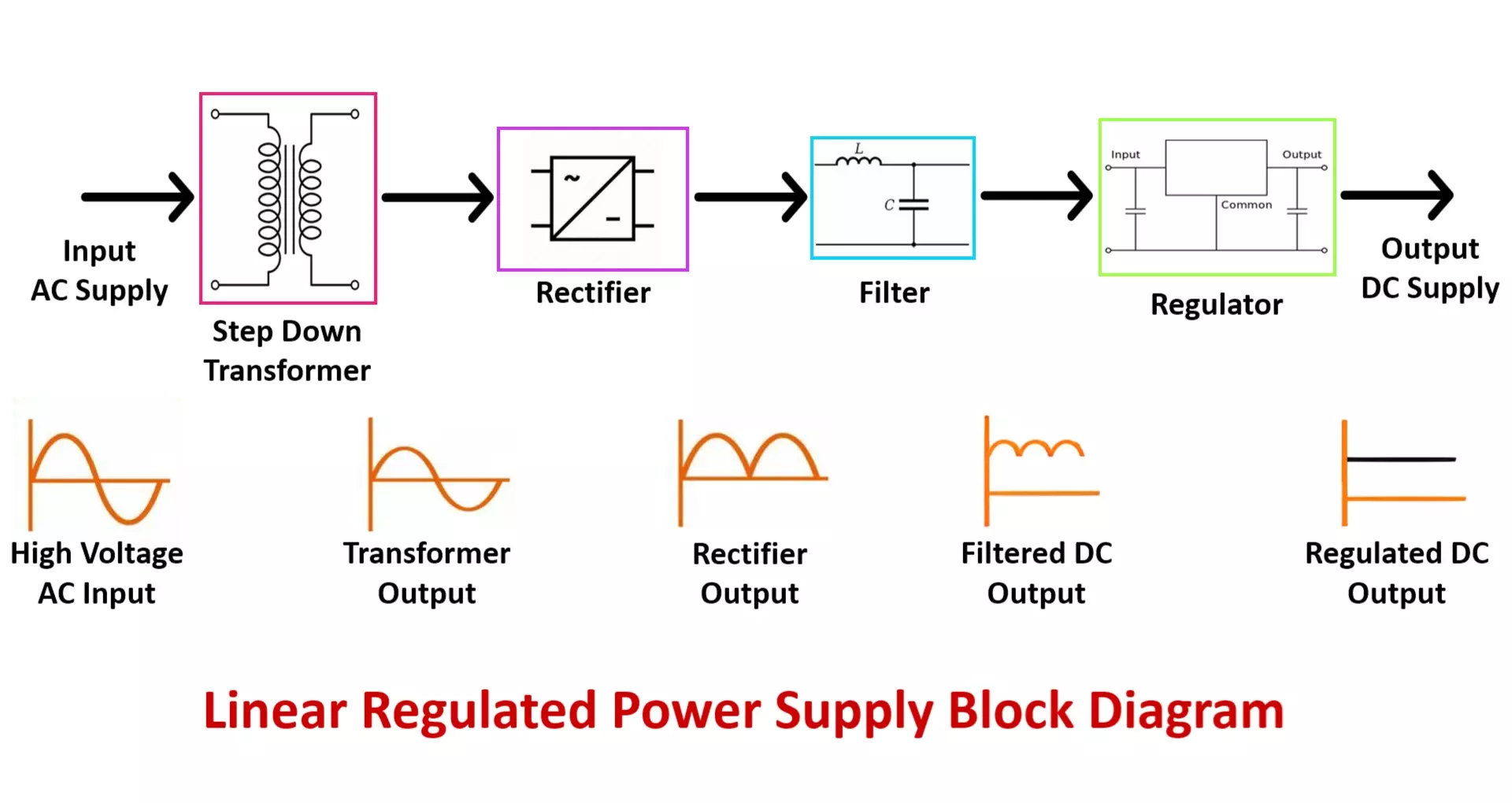
Blow 1 — “Directional” on an AC line is a self-contradiction.** Mains electricity is alternating current. In Europe it reverses direction 50 times per second; in the US, 60. There is no “forward” for the fuse to point toward, because half a hundredth of a second later the current is going the other way. The arrow on the fuse is literally pointing the wrong way for half of every cycle, every second of every day. A manufacturer who marks an AC fuse as directional is either confused about how AC works or is counting on the customer being confused. Either way, that one detail alone is enough to dismiss the product as engineered nonsense.
Blow 2 — The audio signal never touches the fuse.** This is the one most people miss. The music inside a streamer like the Rose RS250A is not the mains current. The mains is just fuel. It enters the box, hits the fuse, then goes through a transformer (which couples by magnetic field, not by passing the original electrons through), then through a rectifier (diodes that flip the AC into one-way pulses), then through smoothing capacitors and voltage regulators that turn it into clean, flat DC. Only then does the audio circuit see anything. By the time electrons reach the DAC chip, every “fingerprint” the fuse could possibly have left has been bulldozed by half a dozen components specifically designed to erase variation in the incoming mains. You could feed that power supply from a noisy hotel outlet or a clean studio circuit and the DC rails would land in essentially the same place — that’s the entire job of the power supply.
Blow 3 — A fuse is the dumbest component in the box.** It is a thin piece of wire in a glass tube. Its one job is to melt when too much current flows. Claims that it has a “sound” require it to behave as a filter, a resonator, or a signal-shaping element — none of which a wire-in-glass is. A modern resistor in the signal path costs a few cents and is held to vastly tighter tolerances than any “audiophile” fuse. If the fuse genuinely changed the sound, that would mean the streamer’s $X,000 power supply is so badly designed it can’t reject variation in a piece of wire — which is also not a flattering story for the manufacturer the believer is defending.
The honest explanation for what they’re hearing.** They are not lying and they are not stupid. They spent €650 and several minutes carefully swapping a part in their treasured device. The brain rewards that kind of investment by finding improvement — sharper transients, a “blacker background,” more “air.” This is sighted bias, and it is enormous and well-documented. The test that settles it is trivially simple: have a friend swap or not-swap the fuse behind a curtain ten times, in random order, while the listener calls “stock” or “boutique” each time. Nobody has ever passed that test with fuses. Not once, in any controlled trial. If your forum opponents won’t accept that challenge, the conversation is no longer about electronics — it’s about identity, and you can’t argue someone out of a position they didn’t argue themselves into.
So: “A fuse that improves sound while being indistinguishable in a blind test isn’t an audio component, it’s a piece of jewelry. Which is fine — just price it like jewelry, not like engineering.”
3 Likes
Top Thank you very much for this message full of common sense
1 Like
Glad to have a detailed nice explanation and rationale behind the science.
BTW, I ended up taking my fuze back within a month as I did try several tests and nothing changed for me, so I saw it as no improvement and a waste of money.
Thank you!
Robert
1 Like