Oh I’ve always been able to.
The problem is that its easy to cross the line from banter to hitting home and really hurting someone’s feelings. So I don’t like to do it.
At the same time… it doesn’t translate well into other cultures and frankly I’m kind of embarrassed of my behavior w Boris. Its just that I don’t like bullies and Rose is right in that they don’t want to censor conversations.
The reason I started to talk about power is that the conversation starts off w a cheap cable from Best Buy, Micro Center, Home Depot (Or your country’s equivalent) and then about getting custom cables or building your own w better gauge wires and components.
Where someone like Boris will chime in about how the cable doesn’t really matter and the power supply in your gear should be able to make the best out of the power… and that sort of thing.
Whoever puts on the shoe has only themselves to blame!
Well, I just can’t wrap my head around all this nonsense regarding power conditioners or power tanks.
If—as is the case in Germany—strict guidelines for power supply and safety must be adhered to, then I really don’t need to worry. The mains filters built into the devices themselves are perfectly good filters, provided they meet Hi-Fi standards.
Besides, what manufacturer would want to sell expensive equipment only to have millions of units returned because they hum or crackle?
I haven’t noticed any such defects with my 520—something I actually posted about here two years ago. And yes, perhaps that’s because I use the device exactly as it was intended—because I didn’t try to turn it into some sort of “egg-laying jack-of-all-trades.” There are other devices and manufacturers for that.
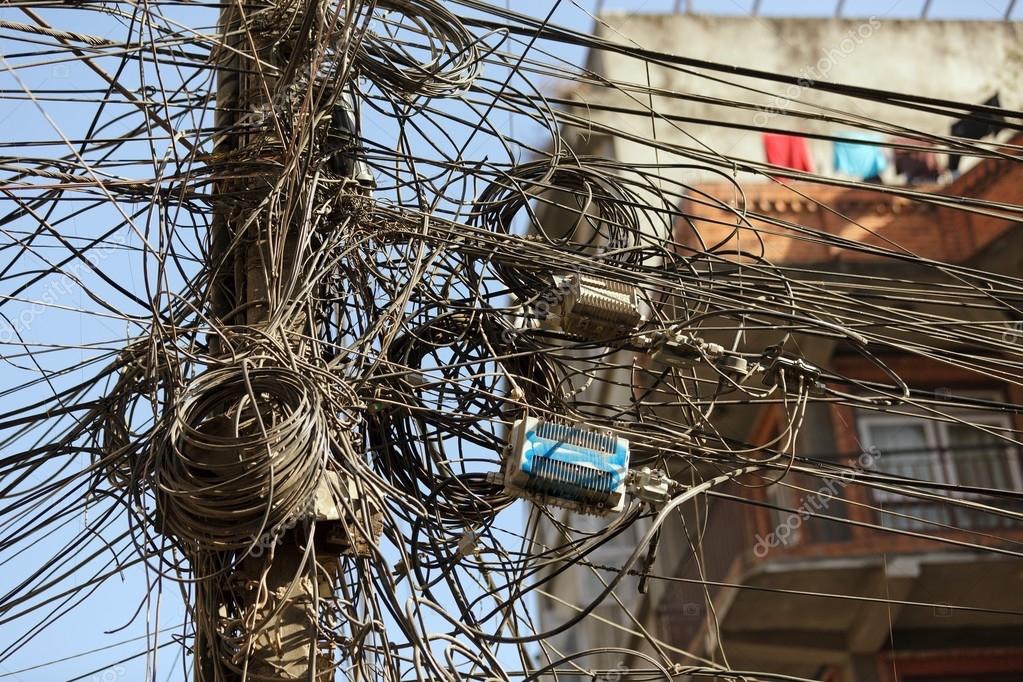
On top of that, many countries simply don’t have the same high standards from their power providers—or they have dense urban areas, or situations where people are tinkering with the power grid or feeding power back into it. It simply has a lot to do with the infrastructure in many countries. Take your situation, for instance: the infrastructure in the States is—compared to Germany—well, let’s just say it’s not quite as good. Lots of overhead lines and utility poles. Sure, we have high-voltage transmission lines running across the countryside here, too, but the standard residential power supply is entirely underground.
Oh, sigh… one could go on talking about this for hours.
In Germany, there is a three-stage protection concept:
Type 1:
(Coarse Protection / Lightning Current Arrester): Installed in the main distribution board or meter cabinet. It diverts high levels of energy in the event of direct lightning strikes.
Type 2:
(Medium Protection / Surge Arrester): Mounted in the sub-distribution board. It protects end devices against indirect lightning effects and switching overvoltages.
Type 3:
(Fine Protection / Device Protection): Applied directly upstream of the end device—for example, via power strips equipped with surge protection.
Installation and Fusing:
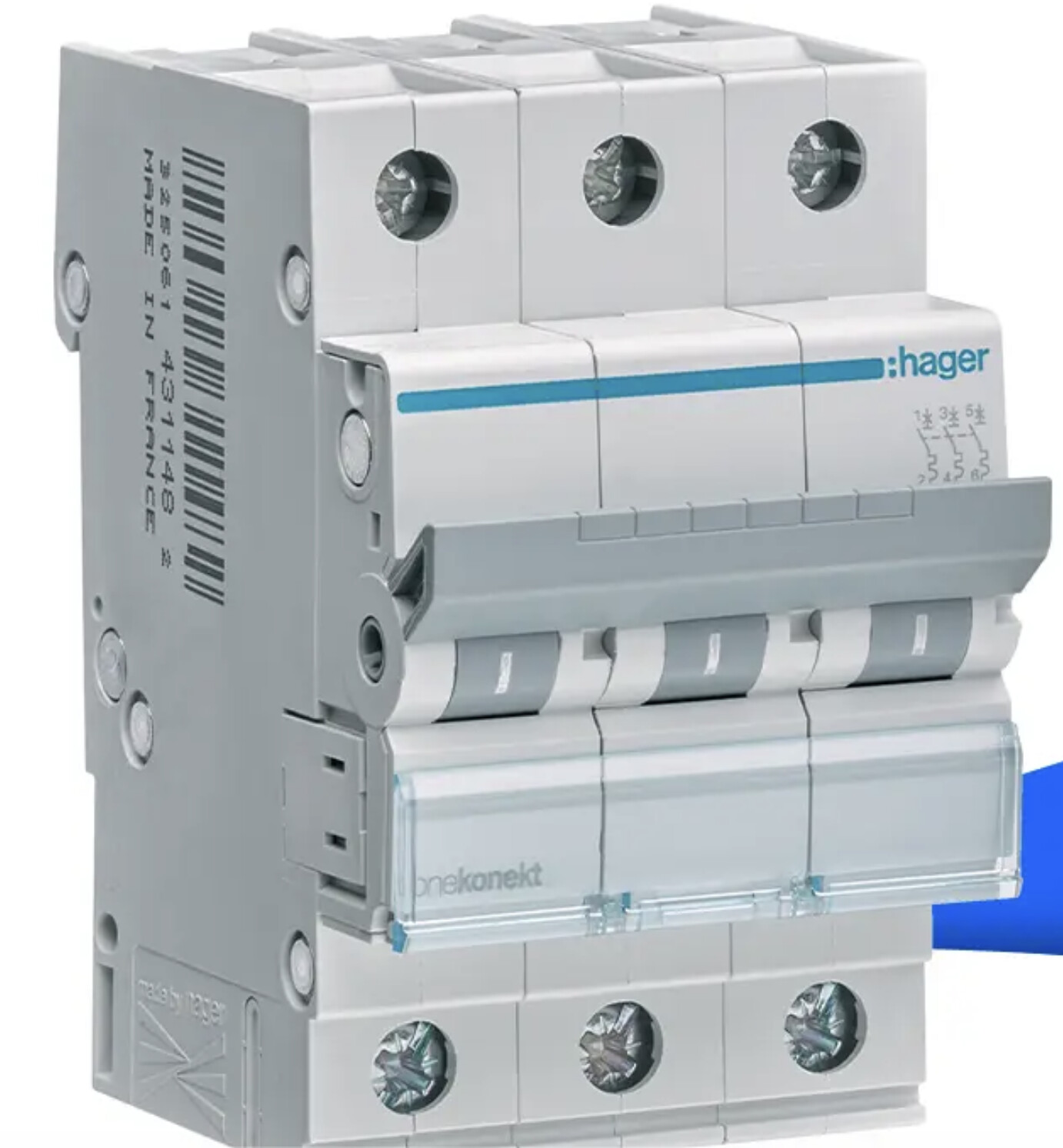
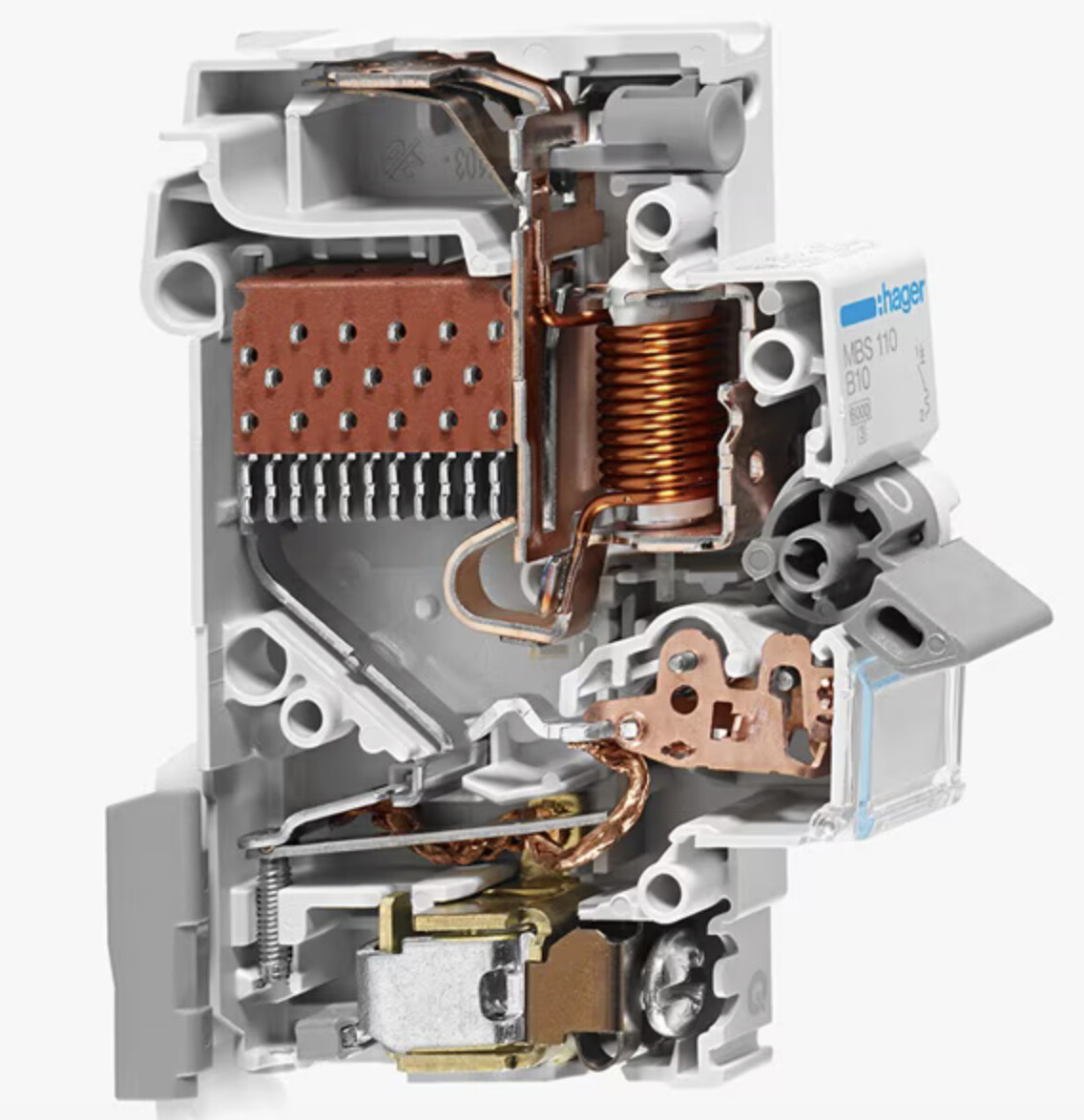
Surge Protective Devices (SPDs) are mounted on a DIN rail inside the meter cabinet. According to standards, they must be protected against short-circuit currents by a dedicated protective device (fuse) to ensure operational safety.
Function Monitoring:
Modern surge protection devices often feature a visual status indicator (green/red) or a remote signaling contact to indicate whether the protection is still active or if the device needs to be replaced following a surge event.
Key Standards:
Installation must comply with DIN VDE 0100-443 (regarding necessity) and DIN VDE 0100-534 (regarding selection and installation).
Important Note:
The installation of surge protection (Types 1 & 2) within the fuse box must only be carried out by a qualified electrician.
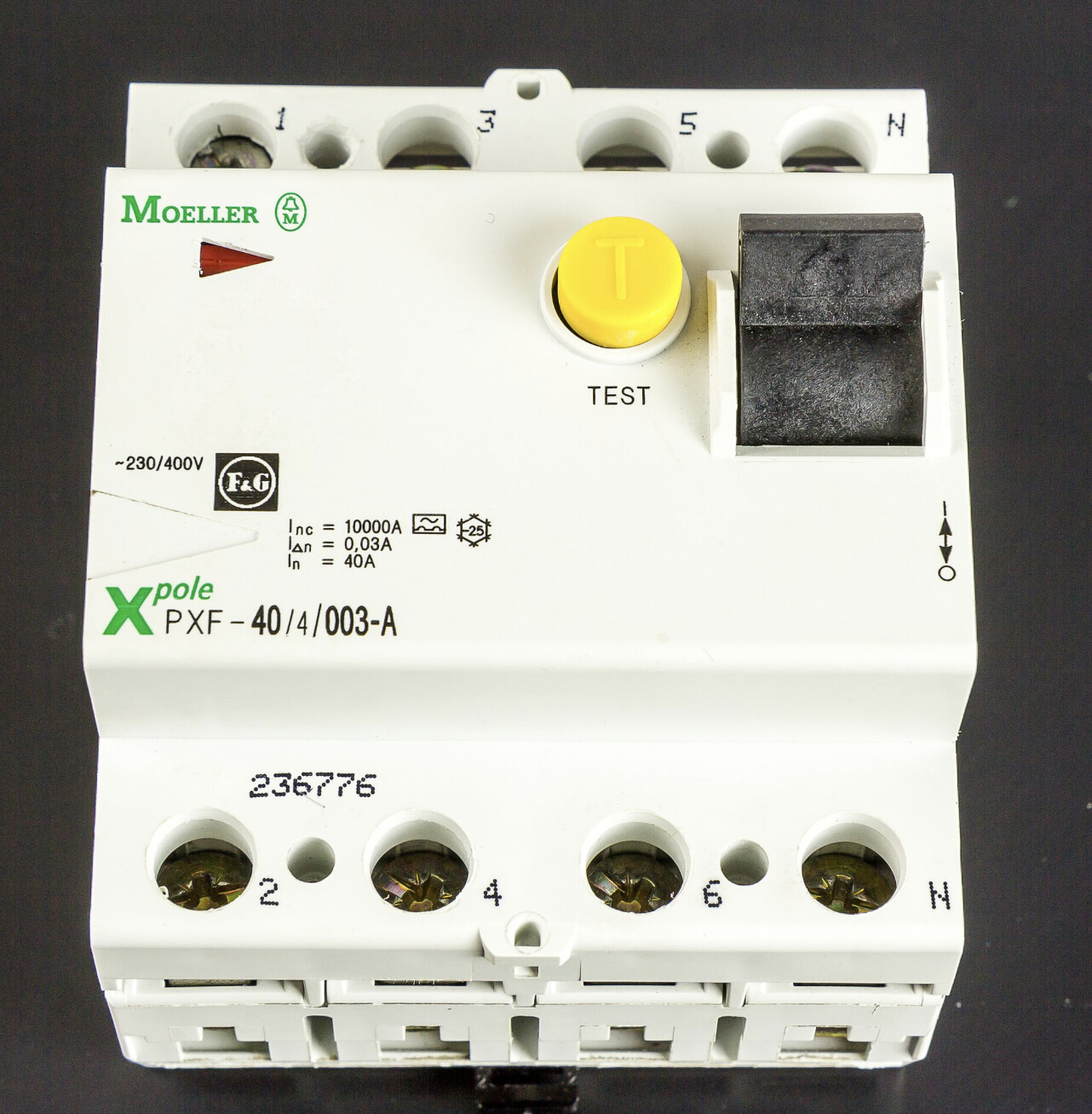
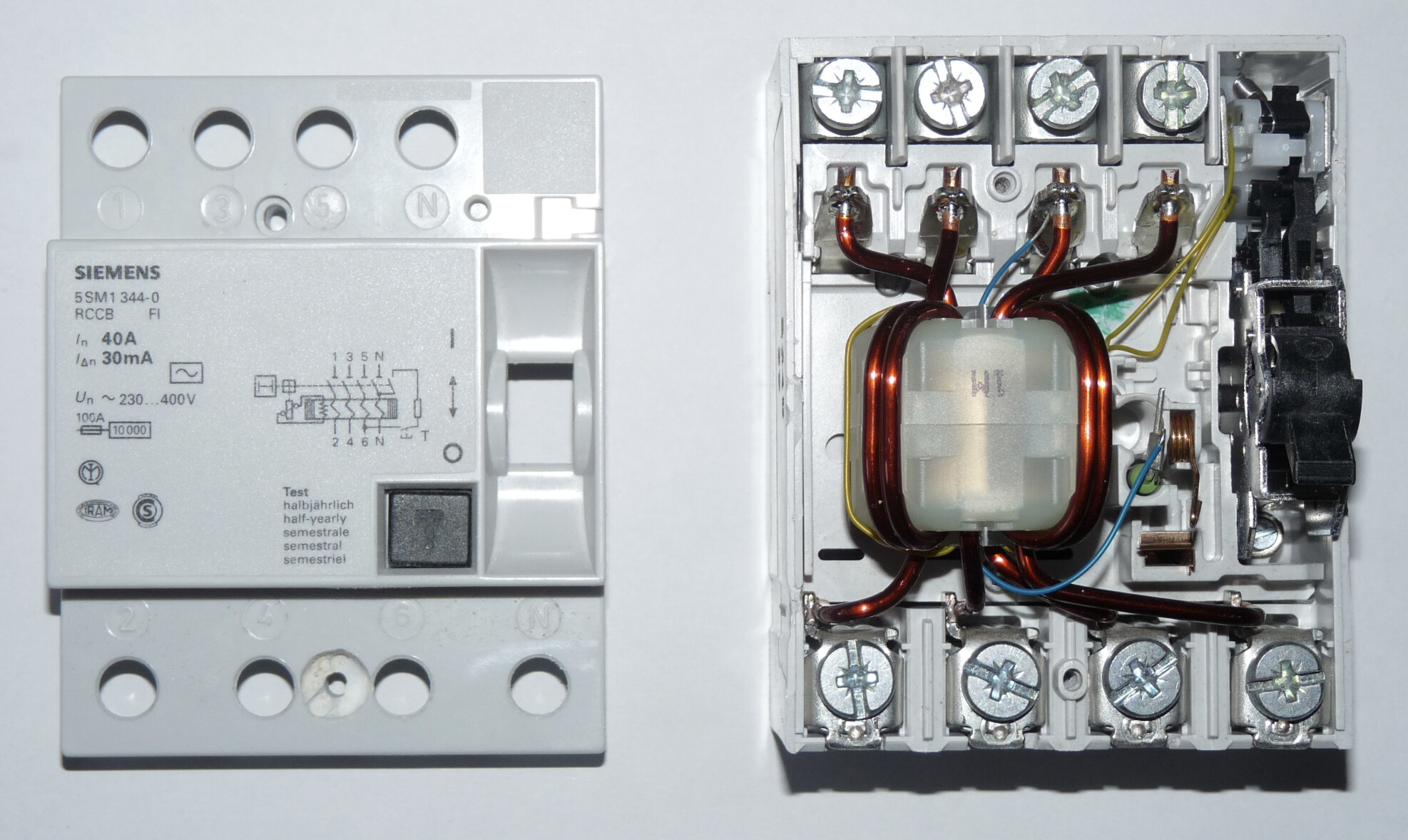
That covers the most important information I found via my electricity provider. Every two years, electricians commissioned by the provider come to inspect the meter cabinets in the basement and test the RCDs (residual current devices) in the apartment to ensure they still meet the required tripping time standards (measured in milliseconds).
The only thing I make sure to avoid is using that cheap LED junk from China. I always test them using my vintage audio system; if I hear any interference on the FM band—which is set to be completely switched off soon—while an LED bulb is switched on, that bulb goes straight into the trash. When I need LED light bulbs, I usually buy the ones from Philips. They are properly shielded against interference, and I don’t hear any static or noise during FM reception. Everything else—such as washing machines, coffee makers, and God knows what else—is generally “clean,” because otherwise, these devices wouldn’t be allowed on the market, as they wouldn’t meet the relevant DIN-VDE standards. Of course, there are always a few “black sheep”—for instance, on sites like Temu, and all that other cheap junk from the Far East.
But anyone who isn’t completely blind, or doesn’t care about anything, knows that!
Boris, I took that for granted. Naturally, I assumed it would be fitted with the correct internal conductors—e.g., 1.5 mm² cross-section—including a protective earth conductor. That is precisely why I didn’t even mention it. If the forum member purchases a properly assembled American-style cable from a reputable vendor (preferably not Temu), it should be perfectly fine. I imagine that these standard cables can be found in just about any Walmart.
Obviously, one shouldn’t go connecting doorbell wire to a 250A circuit. But that isn’t even a possibility if you simply buy a ready-made power cable.
Yep, Boris. But do you actually see the cable once it’s plugged into the back of the unit? Or—if the unit is sitting in a rack, or positioned like mine—right up against the front wall? It’s exactly the same situation for me: I only catch a partial glimpse of the speaker cables—which I find so aesthetically pleasing—and I only see the actual connections on the speakers themselves if I look behind the cabinets, which isn’t something I do every few minutes. The same applies to the amplifier side; I don’t see anything at all there, because my amp sits right up against the front wall.
Everyone has to decide for themselves whether it makes sense and if they want to spend extra money on it. The main thing is that the power cable complies with the standards and conducts electricity. It should be properly constructed so that, the very first time you plug it into a wall outlet, you don’t get a small flash and a bang—followed by a blown fuse.
And Bonte, you can still blow fuses today. It depends on where you live and how old your home is…
Its getting rare to find old fuse boxes but the are still around.
And you can blow circuit breakers.
There is a lot to power that is outside of your control.
And its not just surges but also brown outs.
For my rack, I have a battery backup , power conditioner on a 20 amp circuit to a 5-20 socket. This will give me 10min of power which is time to either wait to see if the power loss is temporary, or to shut down the servers in a controlled manner.
In terms of audio… the advantage to ‘audio grade’ components is that they run quiet. The commercial gear have cheaper fans so you can hear the fan on your switch, power conditioner. Something you don’t want to hear. The good news is that you can get PS Audio gear second hand.
Yup, that’s right. But that’s just how things work here: if you renovate an old house, immediate requirements are imposed to bring the electrical system up to VDE standards—exactly like in my own renovated older building. For that matter, an insurance company alone wouldn’t even provide you with coverage. They just want to collect your monthly premiums; they certainly don’t want to be paying out for damages caused by cable fires or similar incidents year after year.
And as I mentioned earlier:
It also depends heavily on the infrastructure of the specific country in question.
And Bonte
In the US it depends on what you’re renovating.
Which is why certain things get done and other things do not.
Today in Chicago, there are many neighborhoods that still have lead water pipes feeding into buildings. This is allowed because there are chemicals which stop the lead from impacting the water and the water in the buildings have tested as safe.
Yet we all know that it would be better to replace those lines… Over time they are getting replaced and hopefully sometime this century that would happen.
Of course in Germany… your cost of electricity has gone up. Even as you bring coal plants online to make up for the loss of your nuclear plants…
Oh God, Mikey… is the tap water even safe to drink?
That would really be something—having running water right in my house, yet still having to drive out to a well just to get potentially clean, drinkable spring water.
Mostly.
I’m sure that there may be some neighborhoods where there are higher levels of lead, but still within safety margin.
The issue though is that the city relies on a chemical additive to treat the existing lead pipes because of the time and cost it would take to replace them.
The point is that infrastructures around the world are different. YMMV.
And this is just one city in the US.
We are the most advanced and least advanced, both at the same time. We are good at weaponry and medicine but drive on third world country roads. We have the best universities and the worst public education. Better not to get me started here.
People just don’t realize how big the country is and the problems it creates.
You’ve been paying a telcom tax to subsidize telco infrastructure in rural areas… and yet they are still decades behind what you can get in urban cities.
And then you have old cities that waste their budgets so that they can’t afford to do upgrades to infrastructure unless they have to. Roads, Bridges, Sewers, etc …
Boris, you pipe in w useless information and you yet again don’t know what you’re talking about.
You gonna know what buried pipes are where?
Unless you’re a ditch digger or a mole man, you won’t.
The city doesn’t have all of the records as to what is where unless they redid the water pipes recently… like in the last 20yrs. or so.
Clearly you don’t live in Chicago or have talked w the civil engineering firm that contracts with the city for these types of projects. I have. Way back when… one of my neighbors was an SVP for the largest firm doing business w the city.
Since you mentioned your love of Soviet bloc cities… my suggestion was that you can go live there .
I have several friends who would beg to differ and would rather live in Chicago.