I can certainly imagine that. Accuphase wouldn’t put any junk out under their brand name!
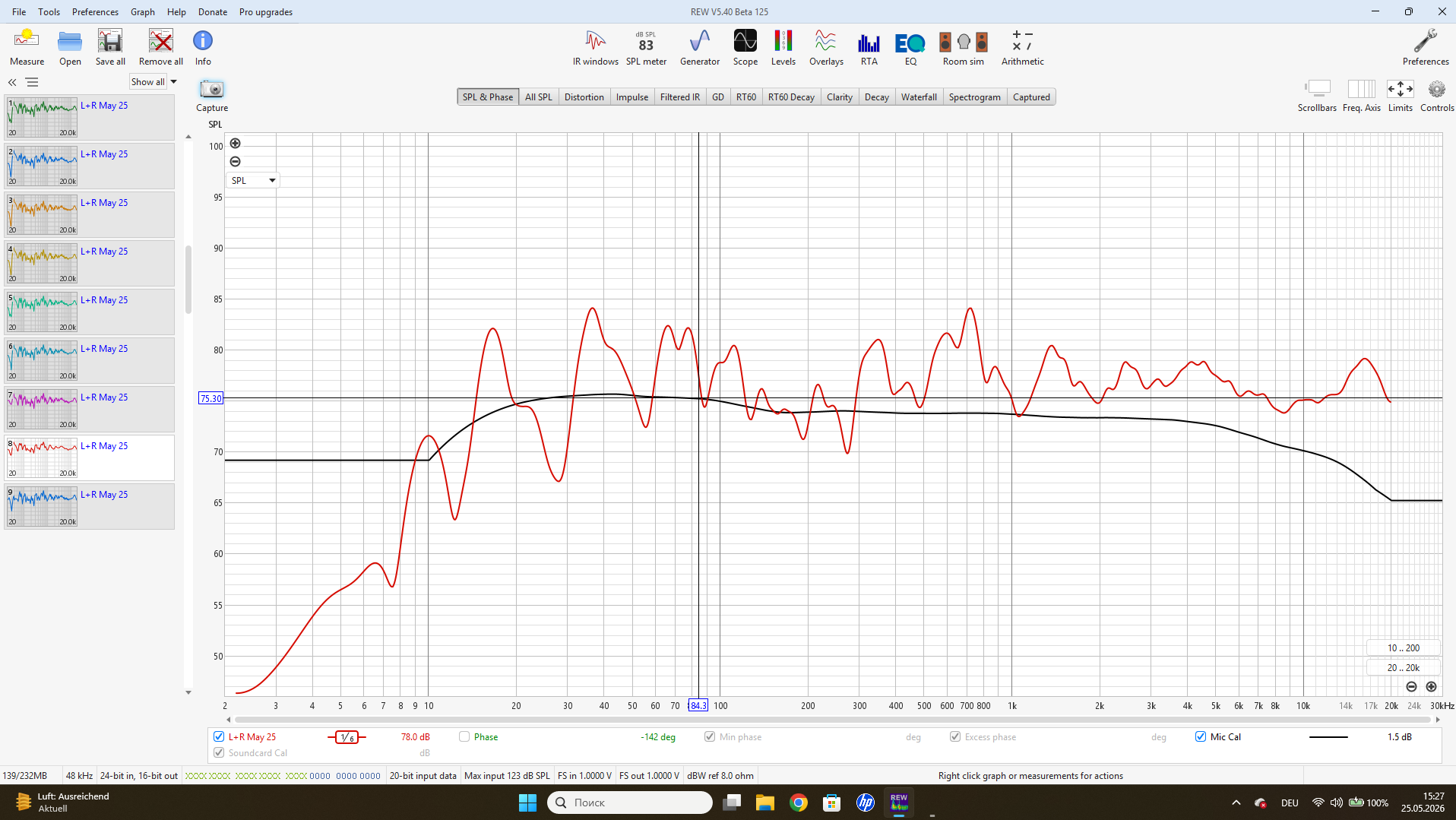
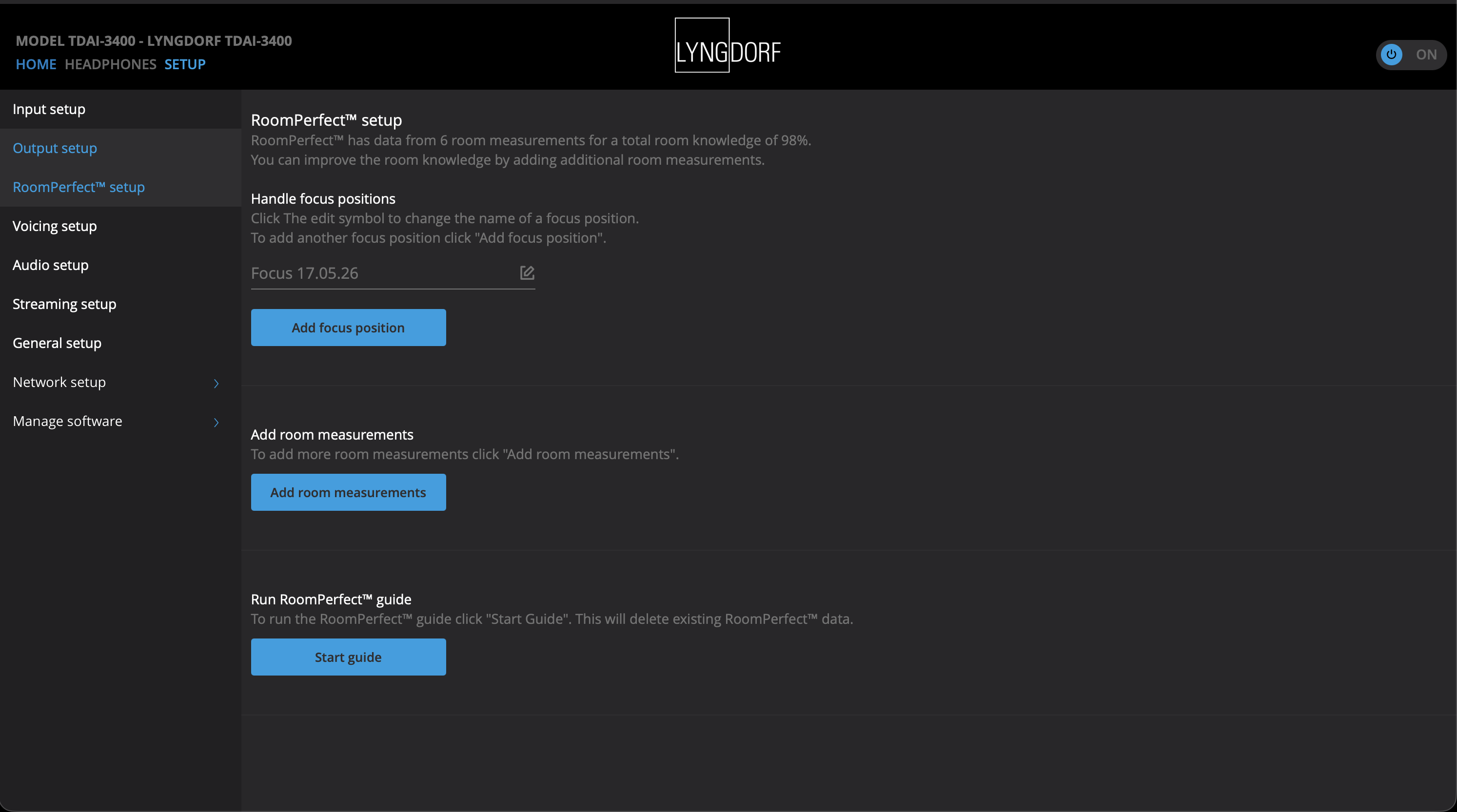
I use RoomPerfect, and I would be genuinely interested to see how these two systems—your DG68 and RoomPerfect—would stack up against each other. Unfortunately, I suppose I’ll never get to find out.
As I mentioned in my previous post, you have to be a bit lazy. I am lazy, so I had to shell out a bit more money for RP; but in return, it’s child’s play to use, and I can go back to focusing on the music. “Because I listen to music,” not to my equipment. But, to each their own.
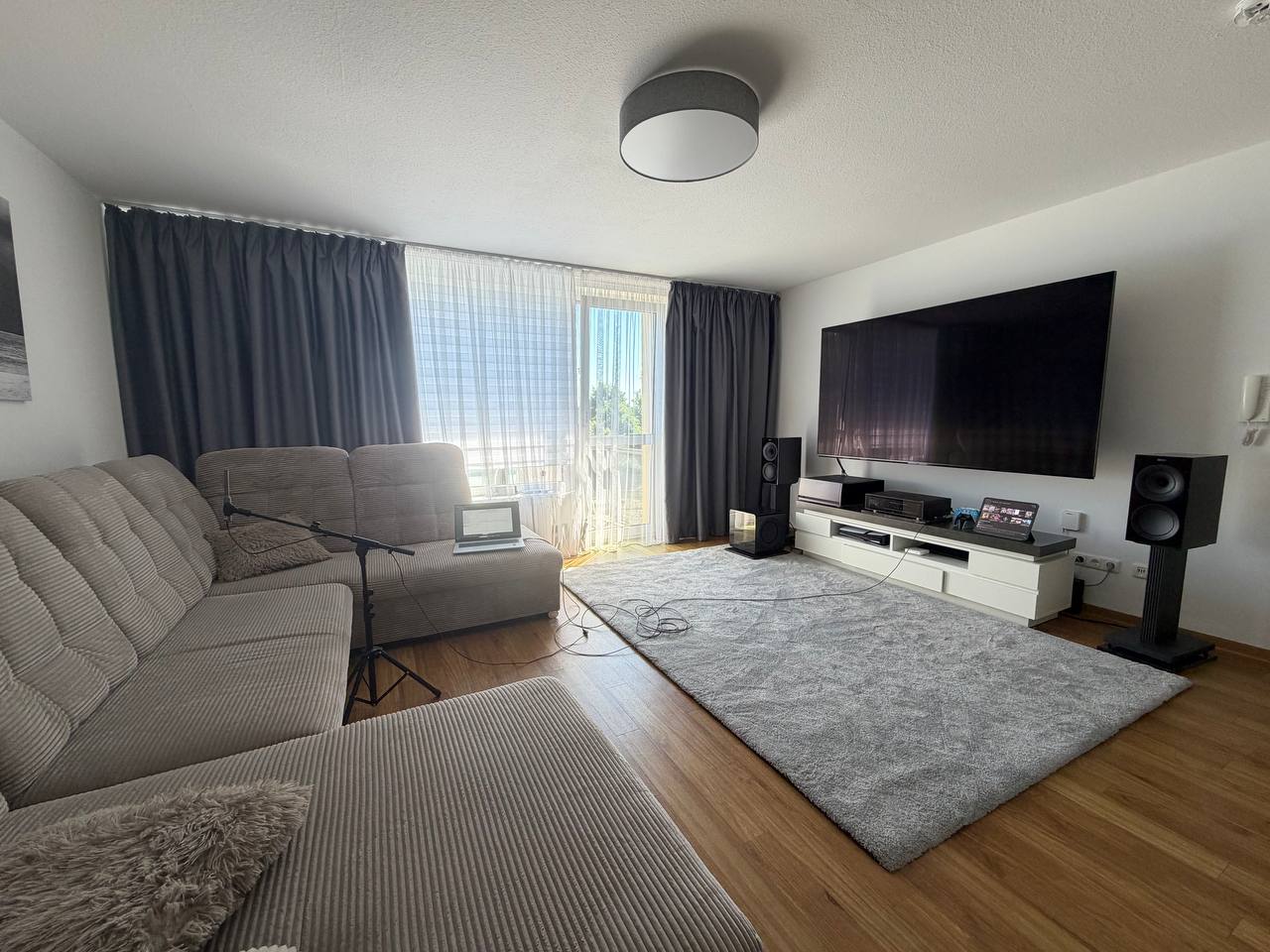
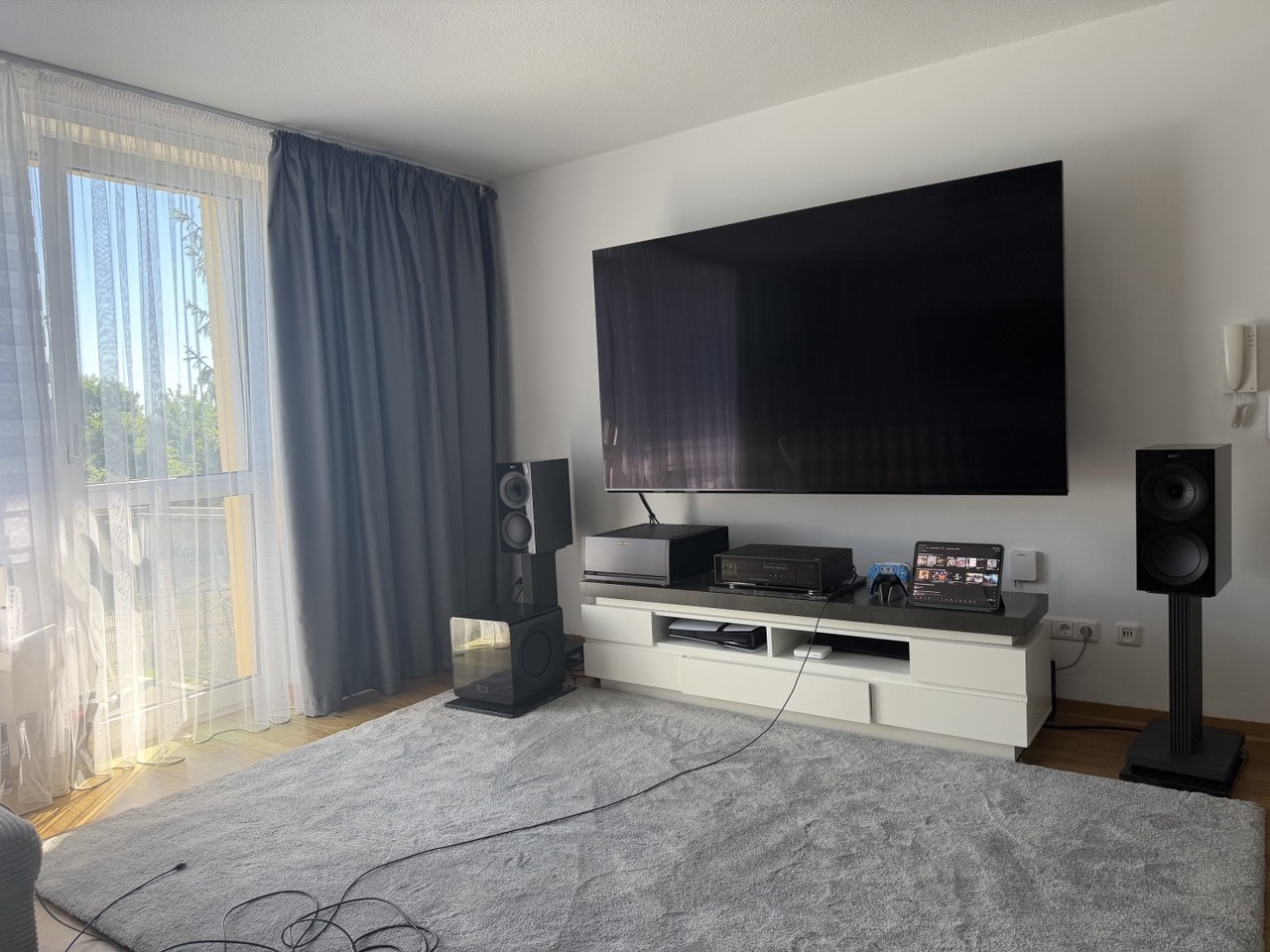
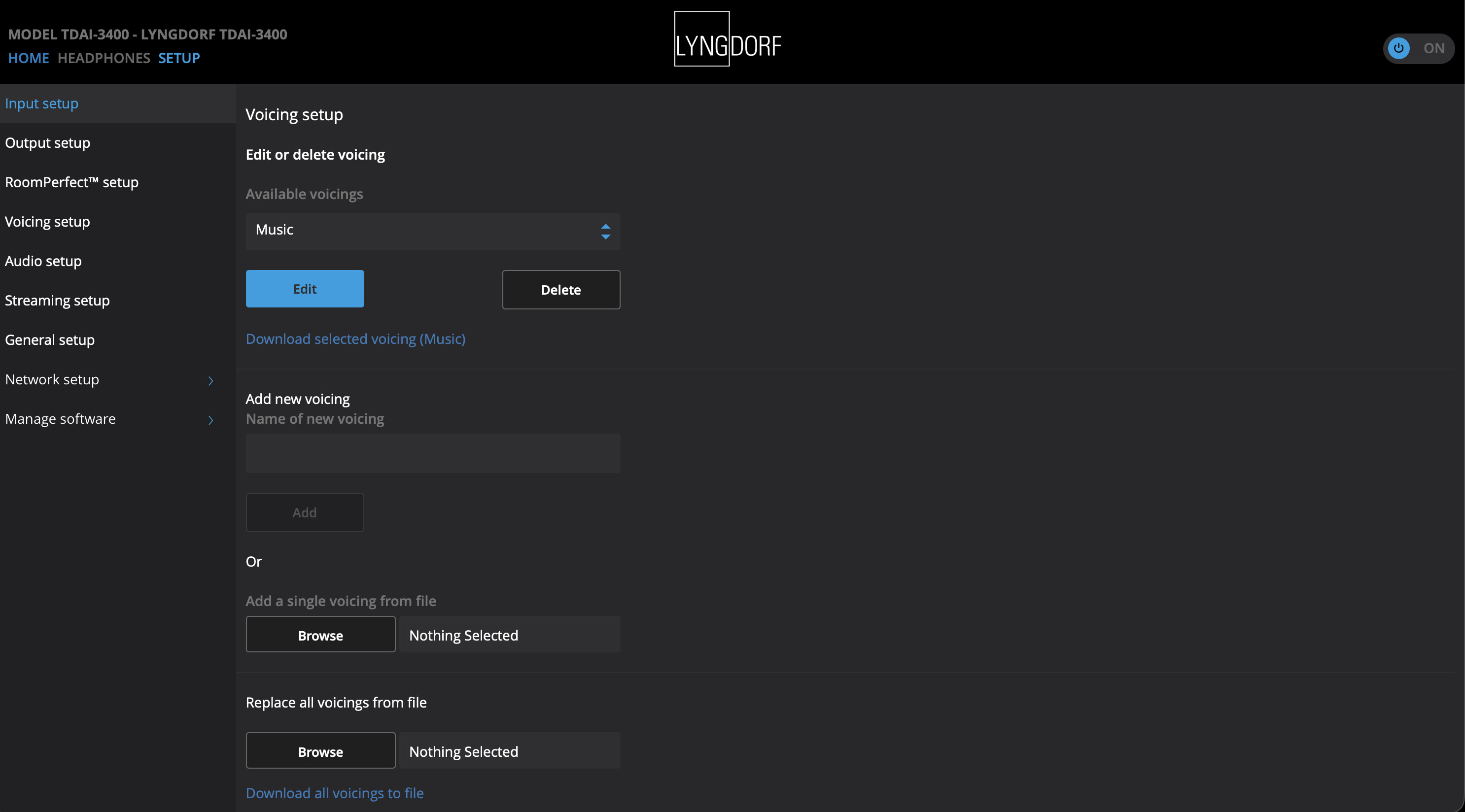
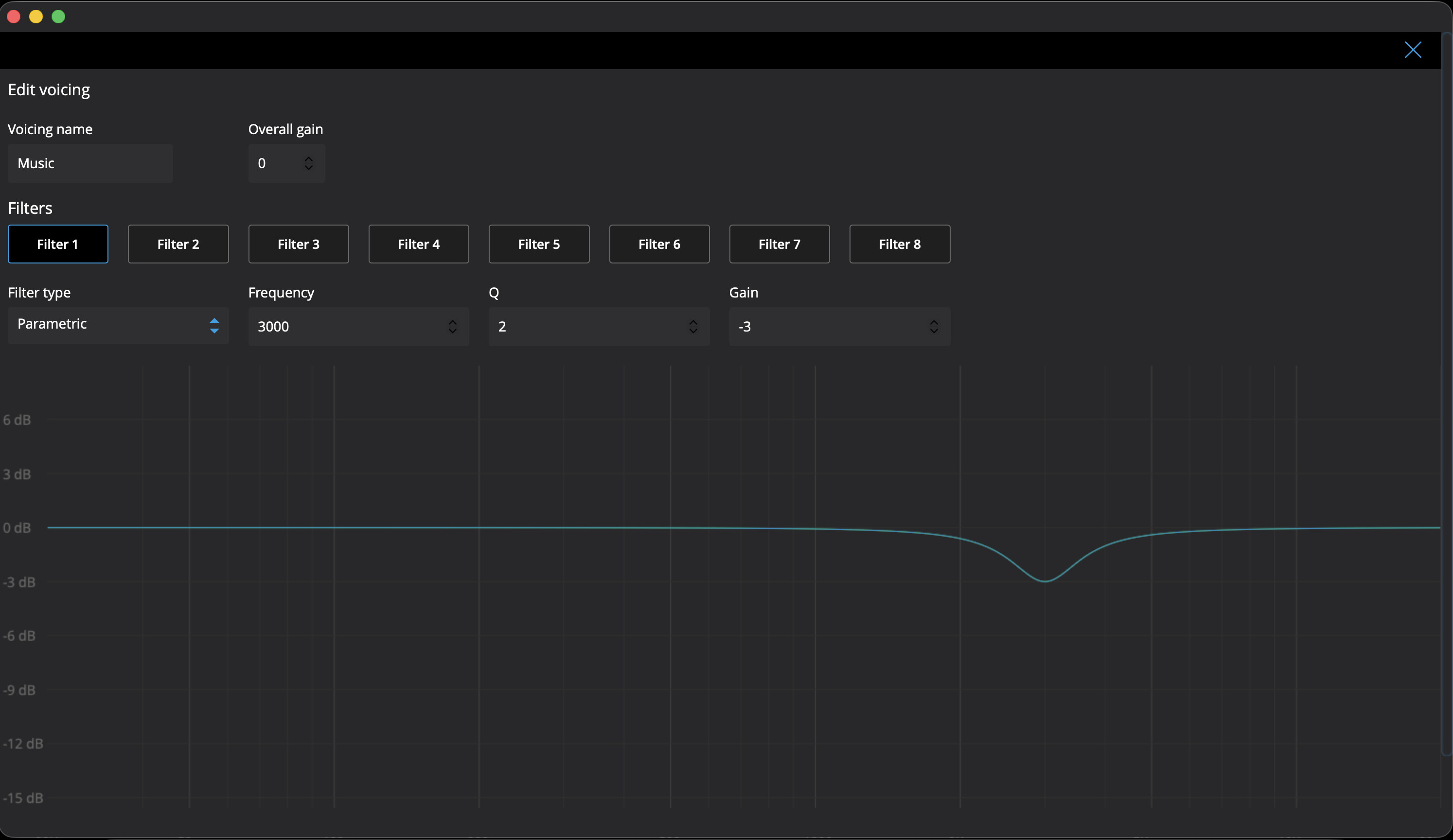
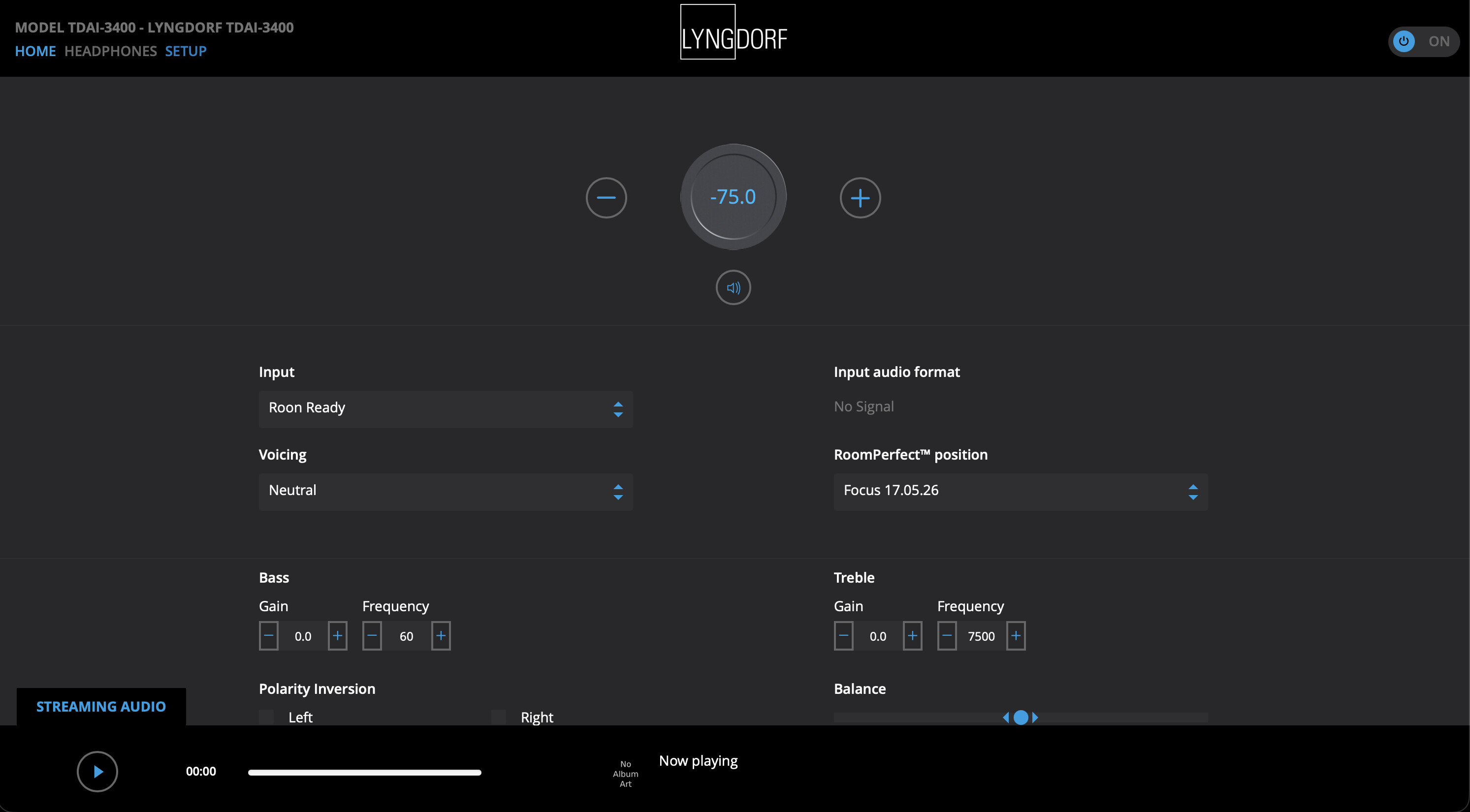
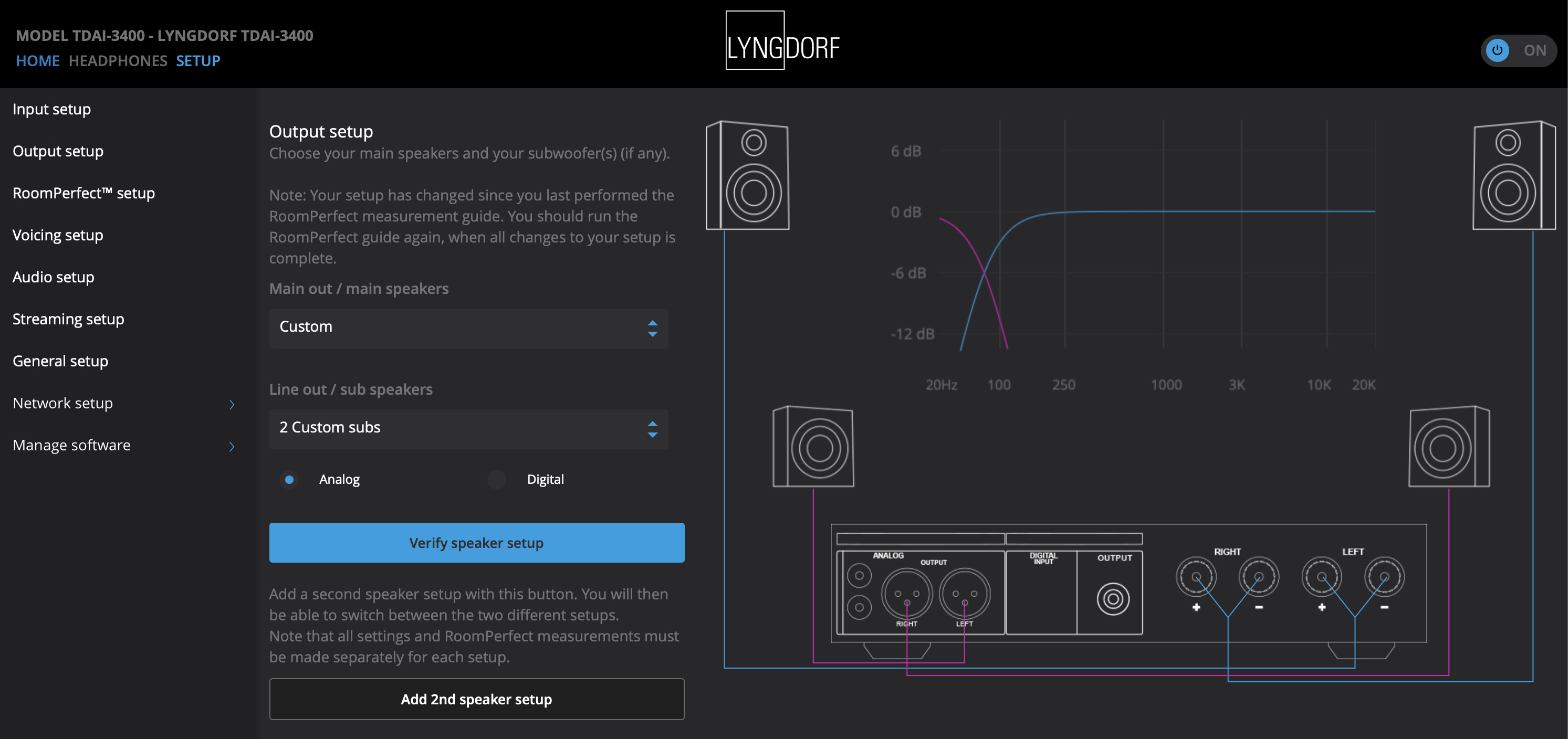
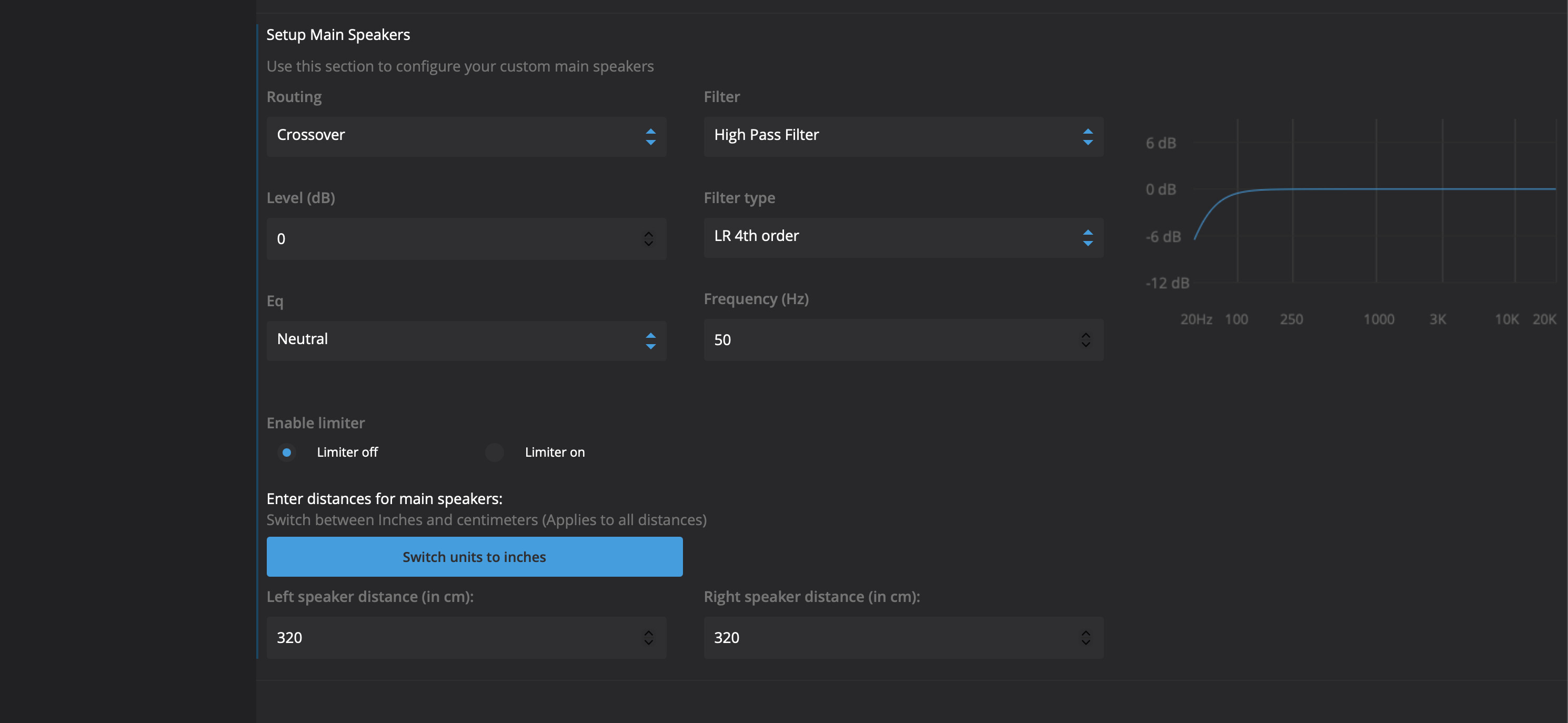
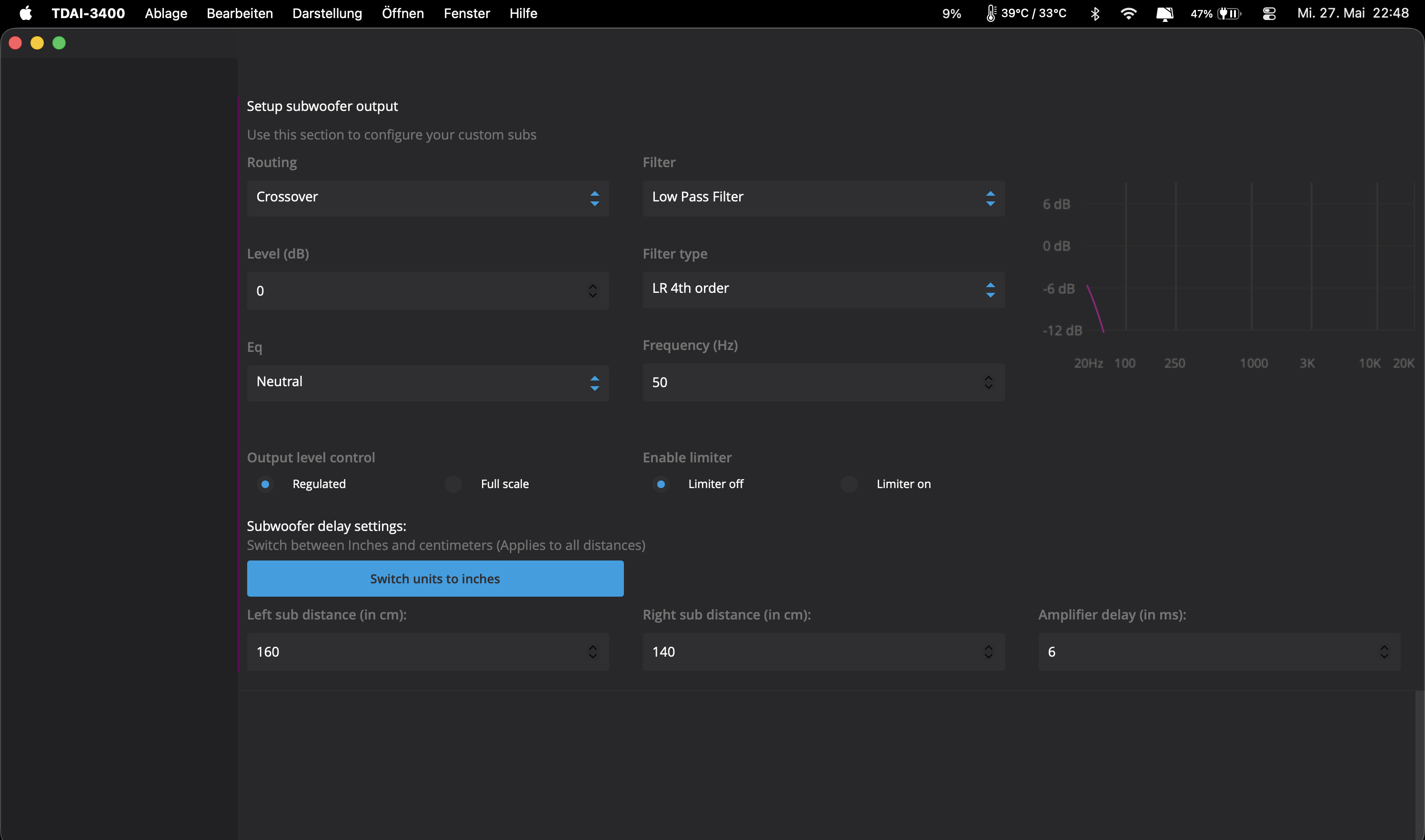
RP isn’t just about room calibration; it also offers “voicings”— much like the DG68—that you can tweak to suit your specific needs and then save. You have access to PEQs, which in turn offer a multitude of adjustment options… and so on. Furthermore, there is the integration of subwoofers (I have two connected to my Lyngdorf), which are, of course, factored into the room calibration process. The TDAI essentially functions as an active crossover. You high-pass filter the main speakers (using either LR 2, 4, or 8-order filters, or BW 1, 2, or 4-order filters). (LR = Linkwitz-Riley filter / BW = Butterworth filter)
Furthermore, you set the distance for both the main speakers and the subwoofers, as well as the delay time for the subs. (You can either ask the dealer for these values or measure them yourself.)
There is so much functionality included that covering it all here would go beyond the scope of this discussion.
It is also quite easy to mess things up if you just start tweaking random settings. Fortunately, you can save everything to the included SD card or a USB stick.
I recently tried to find out more about:
Accuphase DG-68 vs. Lyngdorf RoomPerfect.
First off:
Both systems are excellent, but they pursue completely different concepts. Which one is “better” depends on your listening habits and your technical requirements.
Here is what I found:
Accuphase DG-68
Focus:
Precision & Individual Control
Operation:
The DG-68 is a digital voicing equalizer (DSP) of the absolute highest class. It offers a highly precise automatic mode, but also invites the user to manually draw the desired frequency response—down to the millimeter—directly on the touchscreen using a stylus.
Advantage:
Ultimate flexibility. You can determine exactly which frequency ranges should be processed and precisely how your personal “voicing” should sound.
Disadvantage:
Requires more time to master and a deeper understanding of acoustics to achieve optimal results.
Lyngdorf RoomPerfect
Focus:
Automated Simplicity & Musicality
Operation:
The system operates fully automatically and is “foolproof.” It measures the room in three dimensions. Instead of ruthlessly flattening out the sound, RoomPerfect separates the original sound produced by the speakers from the room’s acoustic influences, correcting only the… Flaws.
Pros:
Extremely authentic, natural reproduction and outstanding spatiality, regardless of where you are seated in the room.
Cons:
There are hardly any options for manual intervention to tweak the sound to your own personal taste after the initial setup.
 (I say) is not needed. The sound is great for me if RP has done its job!
Verdict:
Choose RoomPerfect if you want to calibrate the device once and then simply focus on the music.
Choose the Accuphase DG-68 if you are an audiophile “tweaker” who wants to fine-tune the subtlest nuances yourself, save presets for different recordings, and appreciates the brand’s impressive high-end aesthetics.
My conclusion:
I’m lazy and don’t want to just tinker with the equipment (which I could do every day with the Lyngdorf, because it’s an egg-laying jack of all trades). But as I said, I listen to music, not the TDAI 3400.
Note:
This is all just my personal opinion. Anyone who’s really interested should try out a Lyngdorf.
P.S.
Claiming it is “foolproof” and requires only a single room calibration is nonsense. As soon as you change anything in your room, you really should recalibrate—which is only logical.
The only truly foolproof part is RP; however, all the custom voicings you can create yourself, along with the PEQs, are certainly not foolproof for everyone!