
The difference in the capability of the human ear to hear frequency response 20-20K and timing differences is enormous. This is often conflated to the detriment of arguments about equipment capabilities.
Frequency Response vs. Timing Differences (ITD)
-
Frequency Domain (20 Hz - 20 kHz): Sensitivity peaks around 3.5-4 kHz due to ear canal resonance, meaning sounds here seem louder. Human hearing is not flat; sensitivity drops off significantly at high and low frequencies.
Timing Domain (0-700+ ):** Interaural time differences (ITD) are based on the time it takes sound to travel between ears. A max ITD is roughly 600-700ms (the time to travel around the head), though echoes are detected over longer delays (30-50 ms).
Interaction:** While ITD detection is generally thought of as independent of frequency, studies show that ITD thresholds are lowest (most sensitive) around 800-1000 Hz, rather than low frequencies.
Neural Tuning:** Midbrain neurons are tuned to specific frequencies and corresponding time delays, matching the acoustic data of the environment.
PubMed Central (PMC) (.gov) +5
‘measurements’ when it comes to audio, are related to the Frequency Response (pitch) and not timing. A visual equivalent might be Audio is Color Spectrum and timing is “Frames Per Second”.
Maybe all the in-fighting over the topic is this misunderstanding. On the one side you have the equivalent of frequency response people focusing on the ‘color reproduction’ saying “You can’t even see Infrared light!” or “If you adjust the color, then the two pictures are exactly the same”. But then team “timing” is talking about resolution and motion fidelity, not necessarily color reproduction.
For example taken from Reddit. How do we determine the location of sounds? The difference in timing between when audio reaches the left and right ears. It can be as low as 10 microseconds according to this article:
It takes some really sensitive audio equipment to resolve 10 microseconds in timing differences.
StandardModel
 ) as good as the expensive ju-ju that they bought because they have been brough up to be good little consumers and believe everything marketing tells them.

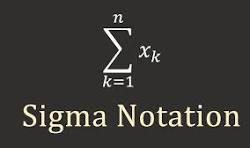 where n equals the number of iterations or “taps”. Is this correct?